Sound Healing Frequencies That Support Physical Recovery and Mental Clarity
There’s a reason a favorite song can shift your entire mood or why the sound of ocean waves instantly relaxes you. Sound has a profound effect on how we feel, both mentally and physically. For thousands of years, cultures around the world have used sound and music for healing, relaxation, and spiritual connection. Today, that ancient wisdom is being rediscovered and explored through the practice known as sound healing.
Sound healing uses tones, vibrations, and music to promote relaxation, ease stress, and support a sense of well-being. While some of its claims reach beyond what science has confirmed, there’s growing recognition that sound and music can genuinely benefit mental and emotional health. This article explores how sound healing works, what it can and can’t do, and how to thoughtfully incorporate it into your wellness routine.
How Sound Healing Frequencies Support Physical Balance and Mental Wellness
Sound healing is based on the idea that sound and vibration can influence our physical and emotional states. Practitioners use instruments like singing bowls, tuning forks, gongs, and chimes, along with recorded tones and music, to create soothing soundscapes intended to promote relaxation and balance.
The most well-established benefits of sound healing relate to relaxation and stress reduction. When we’re deeply relaxed, the body shifts out of its stress response and into a calmer state that supports overall well-being. While sound healing is often described in terms of restoring “balance,” it’s most accurate to understand its benefits through this lens of relaxation and stress relief, which have meaningful effects on both mind and body.
The Science Behind Vibrational Healing and Cellular Recovery
Vibrational healing rests on the principle that everything, including the human body, has a natural vibration or resonance. Proponents suggest that sound vibrations can interact with the body in beneficial ways. It’s important to be clear-eyed here: while research supports sound and music for relaxation and emotional well-being, claims that specific frequencies directly accelerate “cellular recovery” or physical healing are not established by current scientific evidence.
What we can say with confidence is that relaxation itself has real physiological benefits. Deep relaxation can lower heart rate, ease muscle tension, reduce stress hormones, and create conditions that support the body’s natural functioning. So while sound healing shouldn’t be viewed as a direct medical cure, the calm it promotes can genuinely support overall wellness and complement healthy living.
Why Frequency-Based Therapy Works for Stress Relief
Frequency-based and sound therapies appear to be most effective for stress relief, and this is where the evidence is strongest. Listening to calming sounds and music can activate the body’s relaxation response, helping to quiet a racing mind and ease physical tension. Many people find that immersive sound experiences help them let go of stress in a way that’s difficult to achieve otherwise.
This works in part because a focused, soothing sound gives the mind something gentle to settle on, interrupting cycles of worry and rumination. The slow, resonant tones used in sound healing can guide the nervous system toward calm. For stress relief and relaxation, sound therapy is a safe, accessible, and often deeply enjoyable practice.
The Role of Chakra Balancing in Holistic Sound Therapy
In holistic and traditional wellness practices, chakra balancing is often associated with sound therapy. The chakra system, originating in ancient Eastern traditions, describes energy centers in the body, each linked to specific tones, notes, or frequencies. Practitioners may use particular sounds intended to “balance” each chakra.
It’s worth understanding that chakra balancing is a spiritual and traditional practice rather than a scientifically validated medical treatment. Many people find these practices meaningful, grounding, and relaxing, and they can be a valued part of a personal wellness routine. Approached as a contemplative, relaxing practice—rather than a replacement for medical care—chakra-based sound work can offer a sense of calm and connection that many find genuinely beneficial.
Acoustic Therapy and Resonance Therapy: Methods for Relaxation and Recovery
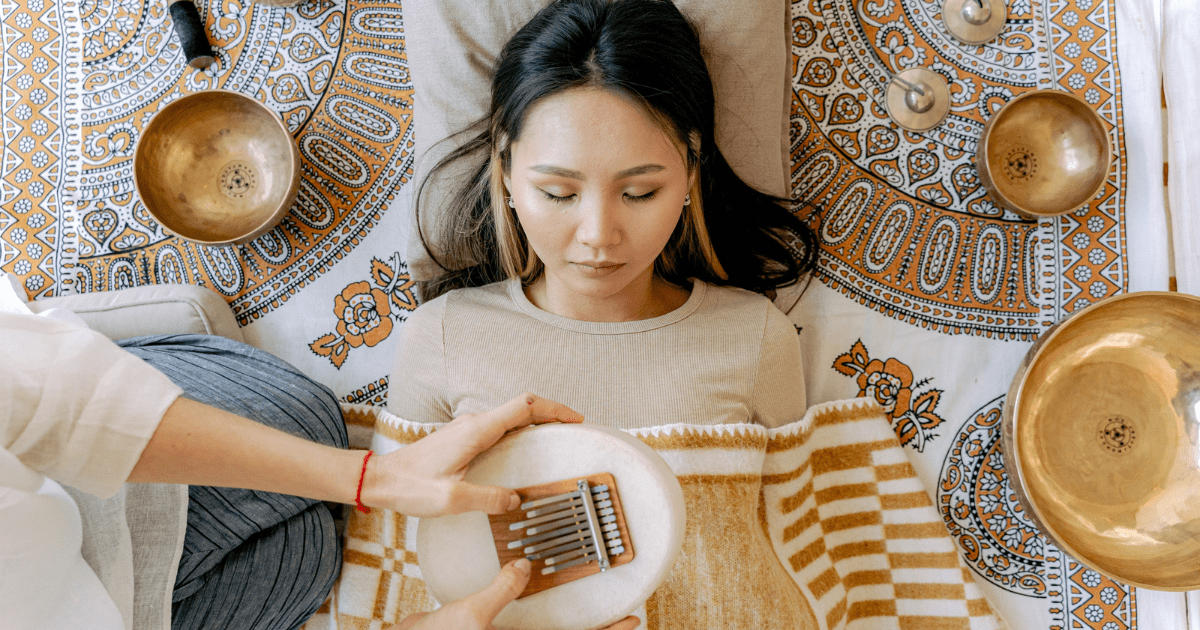
Acoustic therapy and resonance therapy refer to approaches that use sound vibrations to promote relaxation and well-being. These might involve sound baths, where participants are immersed in the tones of instruments like singing bowls and gongs, or sessions using tuning forks placed near or on the body.

These practices are widely enjoyed for their deeply relaxing effects. Participants often describe feeling calmer, lighter, and more centered afterward. While the experience can support recovery from stress and mental fatigue, it’s best understood as a complement to—not a substitute for—evidence-based care when treating health conditions. Used this way, these methods can be a soothing and restorative addition to a broader wellness approach.
Using Specific Frequencies to Accelerate Healing Processes
You may have encountered claims about specific frequencies—like particular Hz values—said to accelerate healing or target specific conditions. These ideas are popular in wellness circles, but it’s important to know that they aren’t supported by robust scientific evidence. No specific sound frequency has been proven to directly heal physical illness.
That said, the relaxation these frequencies promote is real and valuable. If listening to a particular tone or soundscape helps you relax, reduce stress, and feel more at ease, those benefits matter for your overall well-being. The key is to enjoy these practices for their genuine relaxing effects while keeping realistic expectations and continuing any necessary medical care.
Sound Healing Frequencies for Mental Clarity and Cognitive Function
Beyond relaxation, many people turn to sound healing to support mental clarity and focus. While calming the mind, sound can help clear mental clutter, ease the tension that clouds thinking, and create a sense of mental spaciousness. When stress and anxiety quiet down, clearer thinking often naturally follows.
This connection between calm and clarity is meaningful. A stressed, overwhelmed mind struggles to focus, while a relaxed mind tends to think more clearly and creatively. By promoting relaxation, sound practices can indirectly support better concentration and cognitive function, helping you feel more present and mentally refreshed.
How Vibrational Medicine Reduces Anxiety and Promotes Calm
Sound-based practices can be a helpful tool for reducing anxiety and promoting calm. The soothing, immersive quality of sound baths and calming music helps activate the body’s relaxation response, countering the physical and mental symptoms of anxiety. Slow, gentle sound can ease a racing heart, slow the breath, and quiet anxious thoughts.
For many people, dedicating time to a calming sound practice becomes a valuable part of managing everyday stress and anxiety. It offers a screen-free, restorative pause in a busy day. While it isn’t a treatment for anxiety disorders on its own, it can be a wonderful complement to professional care and other healthy coping strategies.
Brainwave Entrainment and Its Impact on Mental Performance
Brainwave entrainment is one area of sound-based practice with a more developed body of research. The idea is that rhythmic sounds—such as binaural beats—may encourage brainwave patterns associated with relaxation, focus, or sleep. Some studies suggest these techniques can have modest effects on mood, relaxation, and attention, though research is still evolving.
Many people use brainwave entrainment recordings to help them relax, focus while working, or wind down for sleep. While the science is still developing and individual results vary, it’s a safe and accessible practice to explore. As with other sound techniques, it works best as a supportive tool rather than a guaranteed solution.
Integrating Frequency Healing Into Your Daily Wellness Routine
Incorporating sound into your daily wellness routine is simple and accessible. You might start your day with calming music, take a midday break to listen to soothing soundscapes, or wind down in the evening with gentle tones or a sound meditation. Even a few minutes can help reset your nervous system and ease tension.
For a deeper experience, you could attend a sound bath, explore guided sound meditations, or experiment with singing bowls or recorded frequencies at home. The best approach is the one that fits your life and that you genuinely enjoy. Treat it as a relaxing, restorative practice—one of many tools that support your overall well-being alongside healthy habits and, when needed, professional care.
Achieving Lasting Results With Support at San Diego Mental Health
Sound healing can be a wonderful complement to a healthy, balanced life, offering relaxation, stress relief, and a sense of calm. But when you’re facing anxiety, depression, or other mental health challenges, relaxation practices work best alongside professional, evidence-based care that addresses the root of what you’re experiencing.
At San Diego Mental Health, our compassionate clinicians provide personalized, evidence-based support for anxiety, stress, and a range of mental health concerns. We’re happy to support a holistic approach that includes relaxation practices you find meaningful, while ensuring you receive the effective, professional care that creates lasting results.
If stress, anxiety, or other challenges are affecting your well-being, support is available. Contact San Diego Mental Health today to learn how our team can help you find genuine calm, clarity, and lasting relief.
FAQs
1. What specific frequencies work best for different physical healing goals?
While many specific frequencies are promoted for various healing goals, there’s no robust scientific evidence that particular frequencies directly heal physical conditions. What matters most is whether a sound or tone helps you relax and feel at ease. The relaxation itself offers real benefits, so the “best” frequency is generally the one you find most calming and enjoyable.
2. Can sound therapy replace traditional medical treatment for chronic conditions?
No. Sound therapy should never replace traditional medical treatment for any condition. It’s best used as a complementary practice that supports relaxation and well-being alongside professional care. If you have a chronic physical or mental health condition, continue working with your healthcare providers and discuss any complementary practices with them to ensure your care remains safe and effective.
3. How long does it take to notice results from frequency healing sessions?
Many people feel relaxation benefits during or immediately after a single session—a sense of calm, reduced tension, or improved mood. These effects are often felt right away. For lasting stress-management benefits, regular practice tends to be more effective, much like other relaxation techniques. Individual experiences vary based on personal preferences and consistency.
4. Which chakra frequencies should beginners start with for wellness routines?
Chakra-based sound practices are part of traditional, spiritual wellness rather than scientifically validated medicine. For beginners interested in exploring them, there’s no need to overthink specific frequencies—start with whatever sounds feel most soothing and grounding to you. Many people begin with gentle sound baths or guided meditations and simply notice what brings them the greatest sense of calm.
5. Does brainwave entrainment work if you have hearing sensitivity or tinnitus?
If you have hearing sensitivity, tinnitus, or any ear-related condition, it’s wise to consult an audiologist or healthcare provider before using brainwave entrainment or other sound techniques, especially those involving headphones. Some people with tinnitus find certain sounds soothing while others find them aggravating, so individual guidance is important to ensure the practice is safe and comfortable for you.