


Crippling Anxiety: How to Regain Control When Fear Takes Over
There’s a difference between everyday worry and anxiety so intense it stops you in your tracks. When anxiety becomes crippling, it can feel like fear has taken over your life—making it hard to work, connect with others, or even leave the house. If you’re experiencing this, please know two things: you are not alone, and what you’re feeling, while overwhelming, is treatable.
Crippling anxiety affects millions of people, yet many suffer in silence, believing they should be able to handle it on their own. The truth is that severe anxiety is a real health condition, not a weakness or a personal failing—and effective help is available. This article explores what crippling anxiety is, how to recognize when you need support, and the proven strategies and treatments that can help you regain control.
What Is Crippling Anxiety and Why It Feels Unbearable
Crippling anxiety refers to anxiety so severe and persistent that it significantly interferes with your ability to function in daily life. Unlike the normal anxiety everyone experiences from time to time, crippling anxiety is overwhelming, often constant, and can make even simple tasks feel impossible. It’s the kind of anxiety that doesn’t just make you uncomfortable—it stops you from living the life you want.
This intensity is what makes it feel unbearable. The mind becomes consumed by fear and worry, the body stays locked in a state of high alert, and there’s often little relief. People experiencing crippling anxiety may feel trapped, exhausted, and hopeless. Understanding that this is a recognized condition—one that responds to treatment—is an important first step toward relief.
The Physical Toll of Severe Anxiety Disorder
A severe anxiety disorder doesn’t just affect the mind; it takes a significant toll on the body. When anxiety is constant, the body remains in a prolonged state of stress, which can produce a wide range of physical symptoms—rapid heartbeat, chest tightness, shortness of breath, muscle tension, headaches, digestive problems, dizziness, and chronic fatigue. Many people are surprised by how physical anxiety can be. Over time, this chronic stress can affect sleep, appetite, and overall health, creating a cycle where physical symptoms fuel more anxiety. Recognizing these symptoms as part of anxiety can help make sense of an experience that often feels frightening and confusing.
How Fear Hijacks Your Daily Functioning
Crippling anxiety has a way of hijacking daily functioning. Tasks that once felt routine—going to work, running errands, answering the phone, socializing—can become sources of dread and avoidance. Fear begins to dictate choices, shrinking a person’s world as they avoid more and more situations that trigger anxiety.
This interference is what distinguishes crippling anxiety from ordinary stress. When fear consistently prevents you from doing the things you need or want to do, it’s a clear sign that the anxiety has become a serious problem. The good news is that this loss of functioning is not permanent—with proper support, people can and do reclaim their ability to live fully.
Recognizing the Symptoms That Signal You Need Help
Knowing when to seek help is crucial. While occasional anxiety is normal, certain signs indicate that professional support is needed: anxiety that’s persistent and difficult to control, fear that interferes with work, relationships, or daily activities, physical symptoms that won’t go away, avoiding situations due to fear, experiencing panic attacks, feeling constantly on edge, or anxiety accompanied by depression or hopelessness. If anxiety is significantly affecting your quality of life or you’re struggling to cope, that’s reason enough to reach out. You don’t need to wait until things reach a breaking point to deserve support.
Panic Attacks and Their Sudden Onset
Panic attacks are among the most frightening experiences associated with severe anxiety. They come on suddenly, often without warning, bringing intense physical symptoms like a pounding heart, shortness of breath, chest pain, dizziness, trembling, sweating, and a terrifying sense of losing control or impending doom.
Because the symptoms can mimic a medical emergency, many people experiencing their first panic attack fear they’re having a heart attack. While panic attacks are profoundly distressing, they are not physically dangerous and typically peak within minutes before subsiding. Understanding what a panic attack is can reduce some of the fear, and learning techniques to manage them—covered later—can make a real difference.
The Connection Between Social Anxiety and Isolation
Social anxiety, an intense fear of social situations and being judged by others, can be especially isolating. When social interactions trigger overwhelming fear, people naturally begin to avoid them—skipping gatherings, declining invitations, and withdrawing from relationships. While this avoidance brings temporary relief, it often deepens loneliness over time.
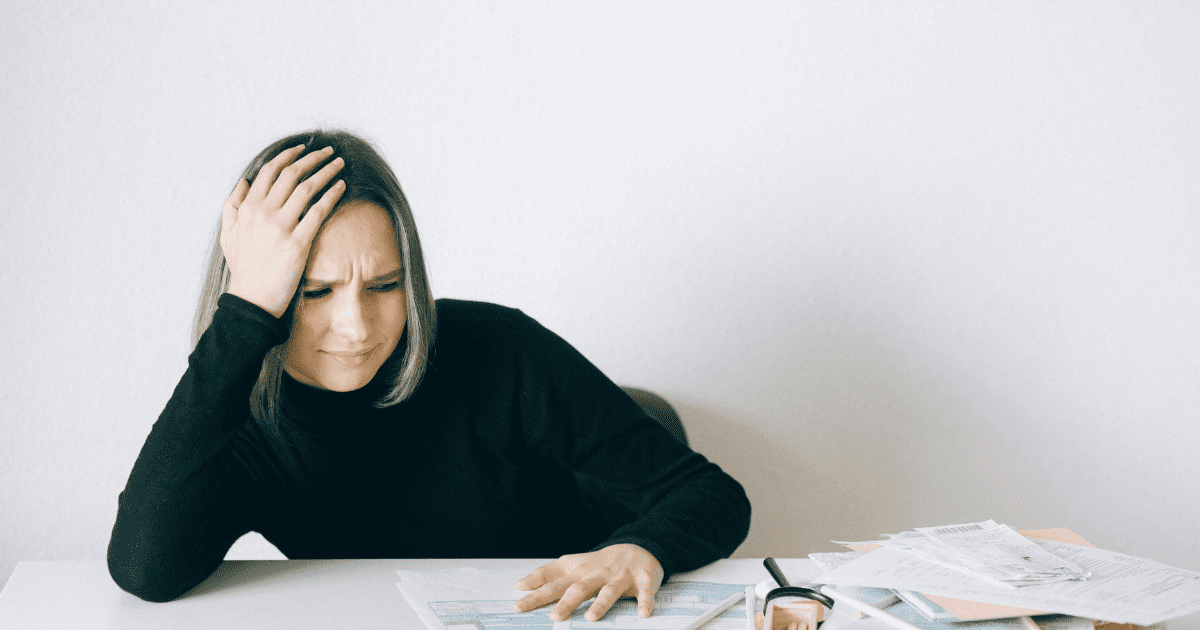
This isolation can worsen anxiety and contribute to depression, creating a painful cycle. The less someone engages socially, the more daunting social situations become, and the more isolated they feel. Recognizing this connection is important because breaking the cycle of avoidance—gradually and with support—is key to reclaiming connection and easing social anxiety.
Breaking the Cycle of Avoidance Behaviors
Avoidance is one of anxiety’s most powerful traps. While avoiding a feared situation reduces anxiety in the moment, it reinforces the fear in the long run, teaching the brain that the situation truly is dangerous and must be avoided. Over time, this shrinks a person’s world and strengthens the anxiety. Breaking the cycle involves gradually and safely facing feared situations rather than avoiding them—ideally with professional guidance. This process, often part of evidence-based therapy, helps the brain learn that feared situations are manageable and that anxiety, while uncomfortable, will pass. Each small step builds confidence and weakens anxiety’s grip.
Why Social Situations Trigger Intense Fear Responses
Social situations trigger intense fear in people with social anxiety, largely due to a fear of negative judgment, embarrassment, or rejection. The mind anticipates the worst—imagining criticism, humiliation, or failure—which activates the body’s threat response even when no real danger exists.
This fear response can feel automatic and overwhelming, complete with physical symptoms like blushing, sweating, trembling, and a racing heart. These symptoms can then increase self-consciousness, fueling more anxiety. Understanding that this is the brain’s overactive threat system at work—not an accurate reflection of reality—can be the beginning of loosening its hold.
Generalized Anxiety Disorder: When Worry Never Stops
Generalized anxiety disorder (GAD) is characterized by excessive, persistent worry about many different things—work, health, finances, relationships, and everyday concerns—that’s difficult to control. Unlike worry tied to a specific situation, GAD involves a near-constant background of anxiety that can feel impossible to switch off.
People with GAD often describe their minds as always racing, jumping from one worry to the next. This chronic worry is frequently accompanied by physical symptoms like restlessness, fatigue, difficulty concentrating, irritability, muscle tension, and sleep problems. When worry becomes this pervasive and persistent, interfering with daily life, it’s a sign of a treatable condition that benefits from professional care.
Effective Anxiety Treatment Options That Actually Work
The most encouraging truth about crippling anxiety is that it’s highly treatable. A range of effective, evidence-based treatments can dramatically reduce symptoms and help people reclaim their lives, most commonly psychotherapy, medication, or a combination of both, tailored to the individual. Cognitive behavioral therapy (CBT) is considered a gold-standard treatment for anxiety—it helps people identify and change the thought patterns and behaviors that fuel anxiety and includes techniques for facing fears gradually. Combined with lifestyle changes and, when appropriate, medication, treatment can be remarkably effective. The key is reaching out and finding the right approach with a qualified professional.
Medication-Based Approaches and Their Role in Recovery
For many people, medication plays an important role in managing anxiety, especially when symptoms are severe. Several types of medication are used to treat anxiety disorders, and they work by helping to regulate the brain chemistry involved in mood and anxiety. For some, medication provides enough relief to engage more fully in therapy and daily life.
Medication decisions should always be made with a qualified prescriber who can recommend the most appropriate option based on your specific situation, monitor your response, and make adjustments as needed. Medication is often most effective when combined with therapy, addressing both the biological and psychological aspects of anxiety. It’s not a sign of failure to need medication—it’s one valuable tool among several.
Practical Anxiety Management Strategies for Immediate Relief
Alongside professional treatment, there are practical strategies you can use for more immediate relief. Deep, slow breathing is one of the fastest ways to calm your body’s stress response. Regular physical activity reduces anxiety over time, while consistent sleep and limiting caffeine and alcohol support a calmer baseline. Other helpful strategies include mindfulness and meditation, challenging anxious thoughts, maintaining routines, and staying connected with supportive people. Practicing these techniques regularly—not just during moments of crisis—builds resilience and makes them more effective when you need them most.
Grounding Techniques to Calm Your Nervous System
Grounding techniques are especially useful for calming your nervous system during intense anxiety or panic. These techniques work by anchoring you in the present moment, redirecting your focus away from anxious thoughts. One popular method is the 5-4-3-2-1 technique: identify five things you can see, four you can touch, three you can hear, two you can smell, and one you can taste.
Other grounding strategies include focusing on the sensation of your feet on the floor, holding a cold object, or slowly describing your surroundings. By engaging your senses, grounding helps interrupt the anxiety spiral and bring you back to a calmer state. With practice, these simple tools can become reliable allies in difficult moments.
Building Long-Term Mental Health Support at San Diego Mental Health
Crippling anxiety can feel all-consuming, but it does not have to define your life. With the right support and treatment, you can learn to manage your anxiety, reduce its grip, and rediscover a sense of calm, freedom, and possibility. You deserve to feel better—and help is within reach.
At San Diego Mental Health, our compassionate clinicians specialize in helping people overcome anxiety in all its forms, from panic attacks and social anxiety to generalized anxiety disorder. Through personalized, evidence-based care—including therapy, medication management when appropriate, and ongoing support—we help you build the tools and resilience to reclaim your life.
If anxiety is taking over, please don’t wait to reach out. Contact San Diego Mental Health today to learn how our team can help you regain control and move toward lasting relief and well-being.

FAQs
1. Can severe anxiety disorder cause physical symptoms without any obvious trigger?
Yes. Severe anxiety can produce physical symptoms—like a racing heart, chest tightness, dizziness, nausea, or fatigue—even without an obvious trigger. This happens because the body’s stress response can activate on its own when anxiety is chronic. These symptoms are real and can be distressing, but they’re a recognized part of anxiety and tend to ease with proper treatment.
2. How quickly do panic attacks hit, and why does the fear feel so real?
Panic attacks often hit suddenly, sometimes within minutes and seemingly out of nowhere. The fear feels intensely real because the body activates a full survival response—flooding the system with stress hormones that cause a racing heart, breathlessness, and a sense of doom. Your body genuinely believes it’s in danger, even though panic attacks aren’t physically harmful and pass within minutes.
3. Does avoiding social situations actually make anxiety worse over time?
Yes. While avoiding feared social situations brings temporary relief, it reinforces the anxiety long-term by teaching the brain that those situations are dangerous. This shrinks your comfort zone and makes future encounters feel even more daunting. Gradually facing feared situations—ideally with professional guidance—is far more effective at reducing social anxiety over time.
4. What’s the difference between regular worry and generalized anxiety disorder?
Regular worry is usually tied to a specific concern, is proportionate, and fades once the issue resolves. Generalized anxiety disorder involves excessive, persistent worry about many things that’s difficult to control and continues even without a clear cause. GAD is often accompanied by physical symptoms and interferes with daily life, distinguishing it from everyday worry.
5. Which anxiety treatment option works fastest for immediate panic relief?
For immediate relief during panic, grounding techniques and slow, deep breathing tend to work fastest, helping calm the body’s stress response within minutes. For lasting results, evidence-based therapy like CBT and, when appropriate, medication address the root of anxiety over time. A professional can help you build both immediate coping tools and a long-term treatment plan.