


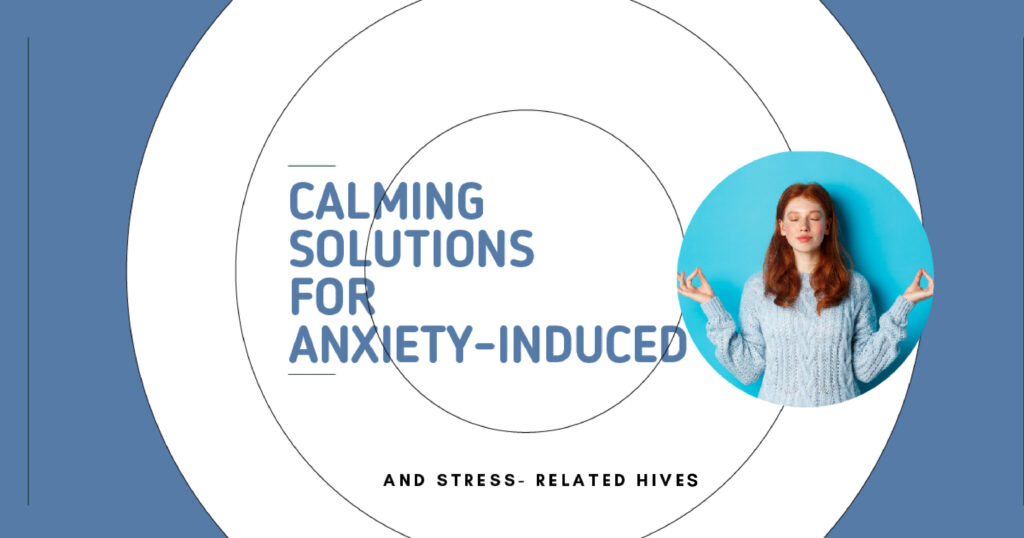
You notice them first as an itch—then raised, red welts appear on your skin seemingly out of nowhere. No new foods, no contact with allergens, no obvious explanation. But you have been under tremendous stress lately. Could your anxiety be causing these hives?
Can anxiety cause hives? Absolutely. The connection between emotional distress and skin reactions is well-documented, with stress-related hives affecting countless individuals who may not even realize their mental state is triggering physical symptoms. Understanding this mind-skin connection opens the door to effective treatment that addresses both the visible symptoms and their underlying cause.
This guide explores how anxiety and stress trigger hive outbreaks, how to identify anxiety-induced hives, and proven strategies for finding lasting relief.
Understanding the Mind-Skin Connection
The skin and nervous system share a developmental origin—both emerge from the same embryonic tissue. This biological connection explains why emotional experiences so readily manifest as skin symptoms, including anxiety-induced hives.
When you experience stress or anxiety, your body initiates a complex physiological response:
- The hypothalamus signals the adrenal glands to release stress hormones
- Cortisol and adrenaline flood the bloodstream
- The immune system becomes activated and dysregulated
- Mast cells in the skin release histamine
- Blood vessels dilate and leak fluid into surrounding tissue
- Raised, itchy welts (hives) appear on the skin surface
This cascade happens rapidly, which is why hives from anxiety can seem to appear suddenly during or after stressful situations. The same stress response that prepares your body to face threats can inadvertently trigger uncomfortable skin reactions.
Causes of Stress-Related Hives
Stress-related hives develop when psychological pressure triggers histamine release in the skin. Unlike allergic hives caused by external substances, psychological stress hives originate from internal emotional and physiological processes.
Several factors contribute to stress-related hive outbreaks:
- Chronic stress: Prolonged periods of worry, pressure or tension keep stress hormones elevated, increasing susceptibility to hives
- Acute anxiety episodes: Sudden, intense anxiety, including panic attacks, can trigger immediate hive outbreaks
- Emotional overwhelm: Grief, anger, frustration or fear can provoke skin reactions
- Sleep deprivation: Poor sleep amplifies stress responses and immune dysregulation
- Cumulative stressors: Multiple smaller stressors combining can exceed your body’s coping threshold
The following table outlines common triggers and risk factors for stress-related hives:
| Category | Specific Triggers | How They Contribute |
| Work-Related | Deadlines, conflicts, job insecurity, presentations | Sustained cortisol elevation; anticipatory anxiety |
| Relationship Stress | Arguments, breakups, family tension, social pressure | Emotional distress activates stress response |
| Life Transitions | Moving, job changes, divorce, loss | Uncertainty and adaptation demands overwhelm coping resources |
| Health Anxiety | Worry about illness, medical appointments, symptoms | Chronic vigilance maintains elevated stress hormones |
| Financial Pressure | Debt, unexpected expenses, economic uncertainty | Persistent worry keeps immune system dysregulated |
| Perfectionism | Self-imposed pressure, fear of failure, high standards | Internal stress without external resolution |
| Trauma Responses | PTSD triggers, traumatic memories, hypervigilance | Intense stress activation from perceived threats |
Understanding your personal triggers helps you anticipate and manage situations likely to cause emotional stress hives.
Identifying Anxiety Skin Reactions
Anxiety skin reactions encompass various manifestations, with hives being among the most common. Recognizing these symptoms as anxiety-related—rather than allergic or infectious—is crucial for appropriate treatment.
Characteristics of anxiety-induced hives include:
- Appearance: Raised, red or skin-colored welts (wheals) that may be surrounded by redness
- Size variation: Can range from small spots to large patches several inches across
- Location: May appear anywhere on the body; commonly affects the face, neck, chest and arms
- Itching: Typically intensely itchy; scratching may worsen the reaction
- Timing: Often appears during or shortly after stressful situations
- Duration: Individual hives usually fade within 24 hours, but new ones may continue appearing
- Pattern: May recur with similar stressors; often improves when stress decreases
The table below helps differentiate anxiety skin reactions from other common skin conditions:
| Feature | Anxiety-Induced Hives | Allergic Hives | Eczema | Psoriasis |
| Primary Trigger | Emotional stress, anxiety | Allergen exposure | Irritants, allergens, dry skin | Immune dysfunction, genetics |
| Onset | Minutes to hours after stress | Minutes after exposure | Gradual development | Gradual development |
| Appearance | Raised welts, variable size | Raised welts, variable size | Red, dry, scaly patches | Thick, silvery scales |
| Duration | Hours to days; resolves with stress reduction | Resolves when allergen removed | Chronic, with flares | Chronic, with flares |
| Itch Quality | Intense, burning | Intense | Persistent, may crack skin | Mild to moderate |
| Response to Antihistamines | Good response | Good response | Limited response | No response |
| Associated Symptoms | Anxiety symptoms present | May have other allergic symptoms | Often has allergic history | Joint pain possible |
If you notice hives appearing consistently during stressful periods without identifiable allergen exposure, anxiety skin reactions are likely the cause.
Emotional Stress and Its Impact on Skin Health
Emotional stress hives represent just one way psychological distress affects skin health. The skin serves as a visible indicator of internal well-being, responding to emotional states through various mechanisms.
Chronic emotional stress compromises skin health by:
- Impairing barrier function: Stress hormones weaken the skin’s protective barrier, making it more reactive
- Increasing inflammation: Prolonged cortisol exposure promotes inflammatory processes throughout the body
- Disrupting immune regulation: Stress dysregulates immune responses, leading to inappropriate reactions like hives
- Affecting healing: Stressed skin heals more slowly and is more prone to complications
- Worsening existing conditions: Stress commonly triggers flares of eczema, psoriasis, rosacea and acne
This bidirectional relationship means that skin symptoms can also increase anxiety, creating a cycle where hives cause distress, which triggers more hives. Breaking this cycle requires addressing both the physical symptoms and the underlying emotional stress.
Effective Anxiety Hives Treatment Options
Anxiety hives treatment works best when it combines symptom relief with anxiety management. Addressing only the skin symptoms provides temporary relief, while treating only the anxiety may leave you uncomfortable during the healing process.
Medical treatments for symptom relief:
- Antihistamines: Over-the-counter options like cetirizine, loratadine or diphenhydramine block histamine and reduce itching and swelling
- Prescription antihistamines: Stronger options for severe or persistent hives
- Corticosteroids: Short-term use for acute, severe outbreaks
- Cool compresses: Reduce itching and inflammation without medication
- Calamine lotion: Soothes itching and provides temporary relief
- Oatmeal baths: Calm irritated skin during widespread outbreaks
Anxiety treatments that address root causes:
- Cognitive behavioral therapy: Helps identify and change thought patterns that fuel anxiety
- Relaxation training: Teaches techniques to activate the body’s calming response
- Mindfulness-based stress reduction: Develops present-moment awareness to interrupt stress cycles
- Anti-anxiety medications: May be appropriate for chronic or severe anxiety
- Biofeedback: Provides real-time feedback to help control physiological stress responses
Combining these approaches offers the most comprehensive relief for hives from anxiety.
Stress Hives Relief Techniques for Daily Life
Beyond formal treatment, daily stress relief practices help prevent outbreaks and manage symptoms when they occur. These techniques support your nervous system’s ability to regulate stress responses.
Immediate relief strategies:
- Apply cool (not cold) compresses to affected areas
- Avoid scratching, which worsens inflammation and prolongs symptoms
- Wear loose, breathable clothing to minimize irritation
- Take an antihistamine at the first sign of hives
- Practice slow, deep breathing to activate the relaxation response
Preventive lifestyle practices:
- Regular exercise: Physical activity reduces baseline stress hormones and improves stress resilience
- Consistent sleep schedule: Adequate rest supports immune regulation and emotional stability
- Stress management routines: Daily meditation, yoga or relaxation practice builds resistance to stress triggers
- Identify and limit triggers: Recognize situations that provoke anxiety and develop coping plans
- Build support networks: Social connections buffers against stress and provides emotional resources
- Limit stimulants: Caffeine and alcohol can amplify anxiety responses
Mind-body practices for long-term resilience:
- Progressive muscle relaxation to release physical tension
- Guided imagery to calm the nervous system
- Journaling to process emotions before they manifest physically
- Grounding techniques to interrupt anxiety escalation
Consistency matters more than perfection. Regular practice of even simple stress reduction techniques can significantly decrease the frequency and severity of psychological stress hives over time.
Finding Comfort in Your Own Skin With San Diego Mental Health
When anxiety manifests on your skin, it serves as a visible reminder that your mental health needs attention. Stress-related hives are more than a cosmetic concern—they signal that your body is struggling to manage emotional distress and deserves comprehensive care.
Can anxiety cause hives? Yes, and this connection means that lasting relief requires addressing the anxiety itself, not just the skin symptoms. While antihistamines and topical treatments provide important symptom relief, true resolution comes from developing healthier relationships with stress and building resilience against anxiety triggers.
San Diego Mental Health offers expert anxiety treatment that addresses the full impact of stress on your mind and body. Our clinicians understand the complex connections between psychological well-being and physical symptoms, providing integrated care that helps you find relief from both anxiety and its uncomfortable manifestations.
Stop letting stress show up on your skin. Contact San Diego Mental Health today to learn how our evidence-based anxiety treatment programs can help you achieve lasting calm—inside and out.
FAQs
How can anxiety cause hives, and what are the signs of anxiety-induced hives?
Anxiety causes hives through a physiological cascade where stress hormones trigger mast cells in the skin to release histamine, leading to raised, itchy welts. Signs of anxiety-induced hives include outbreaks that coincide with stressful situations, hives appearing without identifiable allergen exposure, and improvement when stress levels decrease. Additional indicators include the presence of other anxiety symptoms like racing heart, sweating or worried thoughts occurring alongside the skin reaction.
What are the common causes of stress-related hives, and how can they be identified?
Common causes include chronic work pressure, relationship conflicts, major life transitions, financial stress, health anxiety and accumulated daily stressors that exceed coping capacity. Stress-related hives can be identified by tracking outbreaks alongside stressful events, noting the absence of allergic triggers like new foods or products, and observing whether hives improve during relaxation or vacation periods. Keeping a symptom diary that records both skin reactions and stress levels helps establish the connection.
How do anxiety skin reactions differ from other skin conditions?
Anxiety skin reactions like hives typically appear suddenly during or after stressful situations and resolve relatively quickly once stress decreases, whereas conditions like eczema and psoriasis develop gradually and persist chronically. Anxiety-induced hives respond well to antihistamines and show a clear pattern related to emotional triggers, while other conditions require different treatments and follow different patterns. The presence of concurrent anxiety symptoms and the absence of identifiable allergens further distinguish stress-related hives from allergic or dermatological conditions.
In what ways does emotional stress lead to hive outbreaks, and what are the common triggers?
Emotional stress triggers hive outbreaks by activating the sympathetic nervous system, releasing cortisol and adrenaline, and dysregulating immune function, which causes mast cells to release histamine inappropriately. Common triggers include work deadlines, interpersonal conflicts, public speaking, major decisions, grief, anger and anticipatory anxiety about upcoming events. Individual triggers vary, so identifying your personal stress patterns through observation and journaling helps predict and prevent outbreaks.
What are some effective treatments and relief techniques for managing hives from anxiety?
Effective treatments combine symptom management with anxiety treatment—antihistamines provide immediate relief from itching and swelling, while cognitive behavioral therapy, mindfulness practices and relaxation training address the underlying anxiety. Daily relief techniques include applying cool compresses, practicing deep breathing during stress, maintaining regular exercise and sleep habits, and avoiding scratching affected areas. For chronic or severe cases, working with mental health professionals to develop comprehensive anxiety management strategies offers the most lasting relief from both the emotional and physical symptoms.